A Floating Shelf Switching Layout?
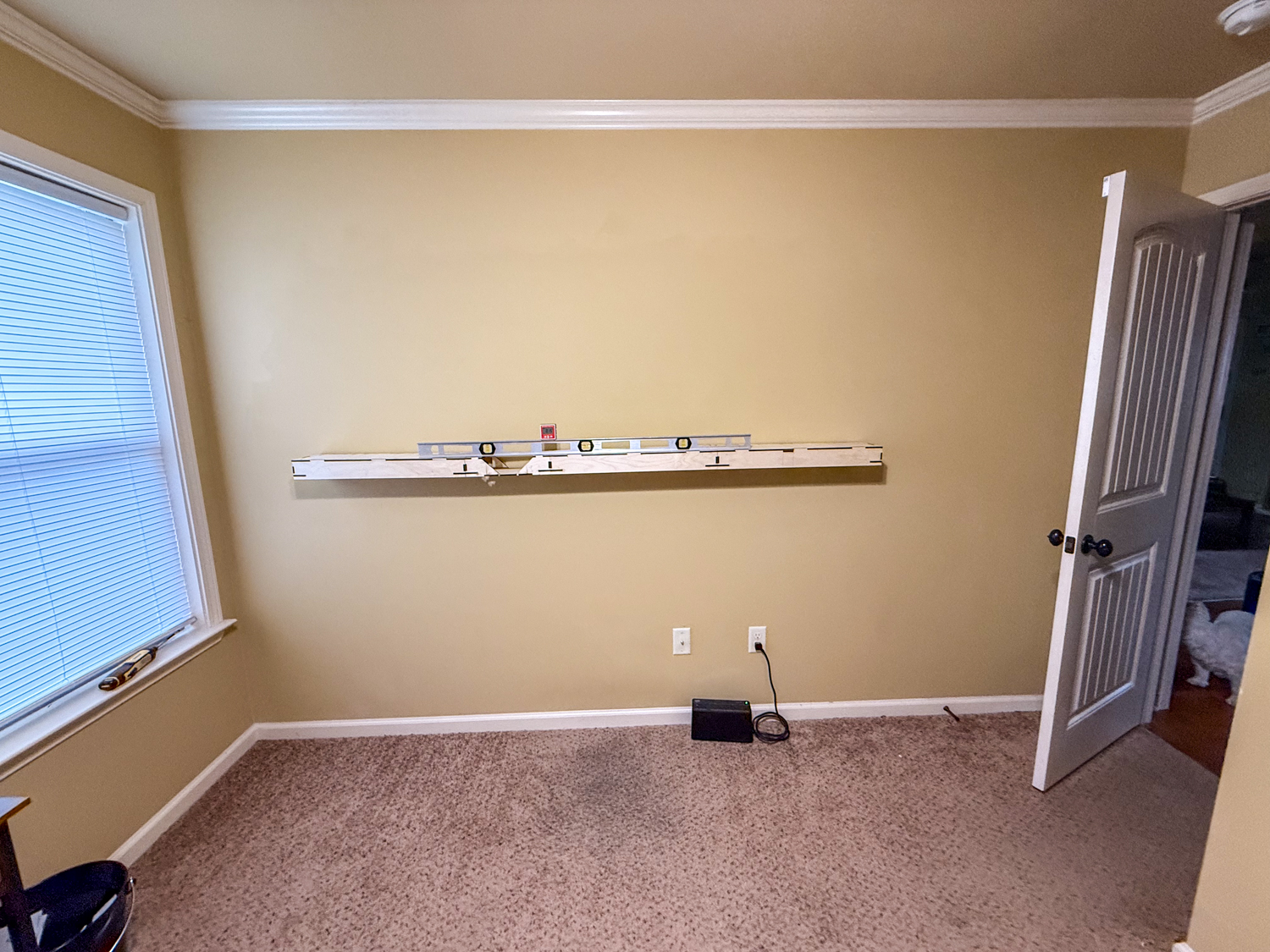
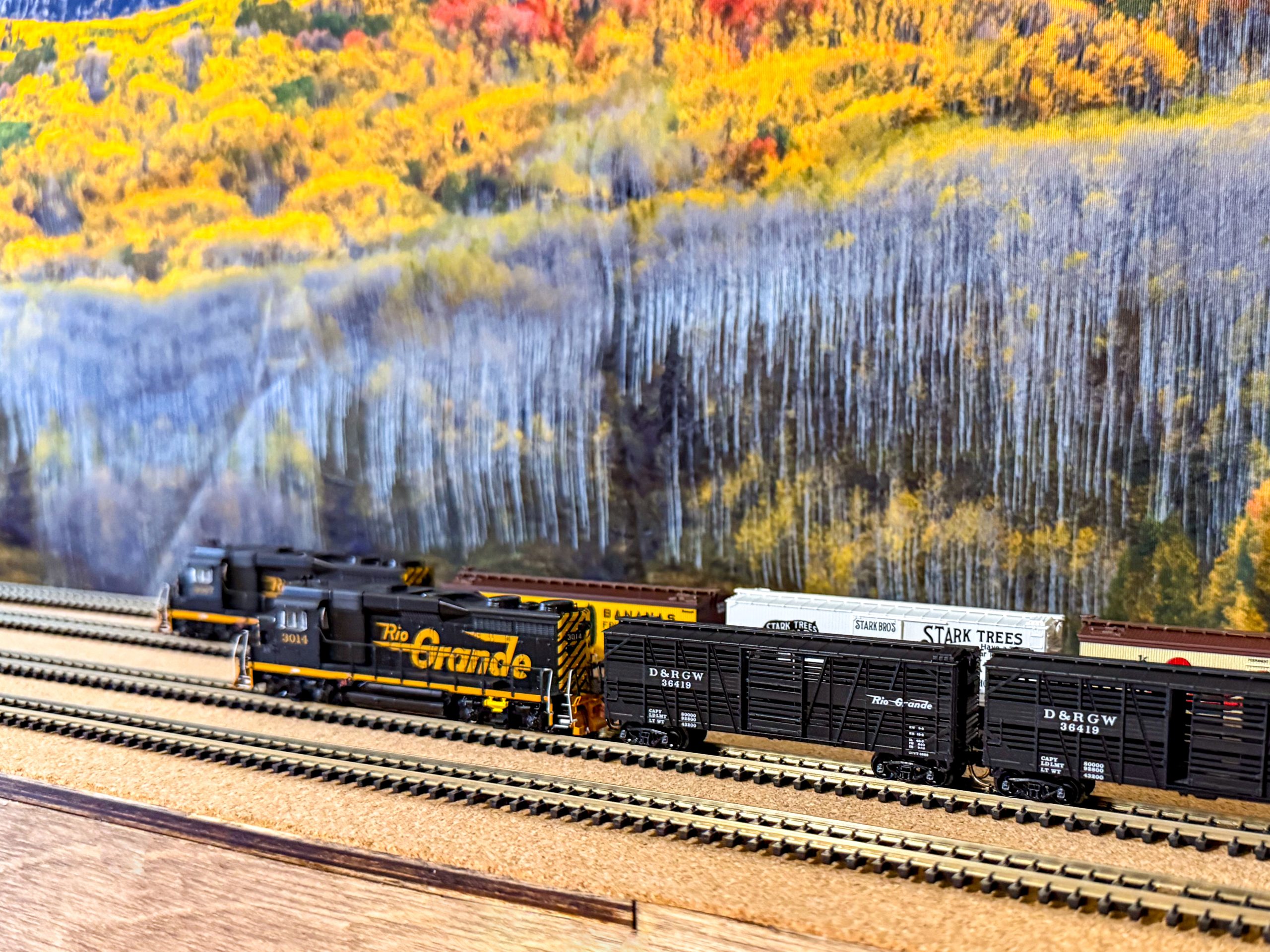
Presented to you is the beginning of a floating shelf layout designed as an operational switching puzzle.
The why?
The idea behind building this small operational working concept railroad before starting on the larger dual-deck layout is to allow me to test and refine my ideas on a manageable scale, helping me avoid costly mistakes when working on the full-sized version. I can experiment with mounting modules, track planning, scenery techniques, wiring, and control systems without the overwhelming commitment of a large build.

It also allows me to practice new skills and learn different methods for working with T-Trak modules other than how they were designed. Plus, working and operating on the smaller layout keeps me motivated and focused on the progress of the main layout, making it more enjoyable and successful in the long run.
Getting Started
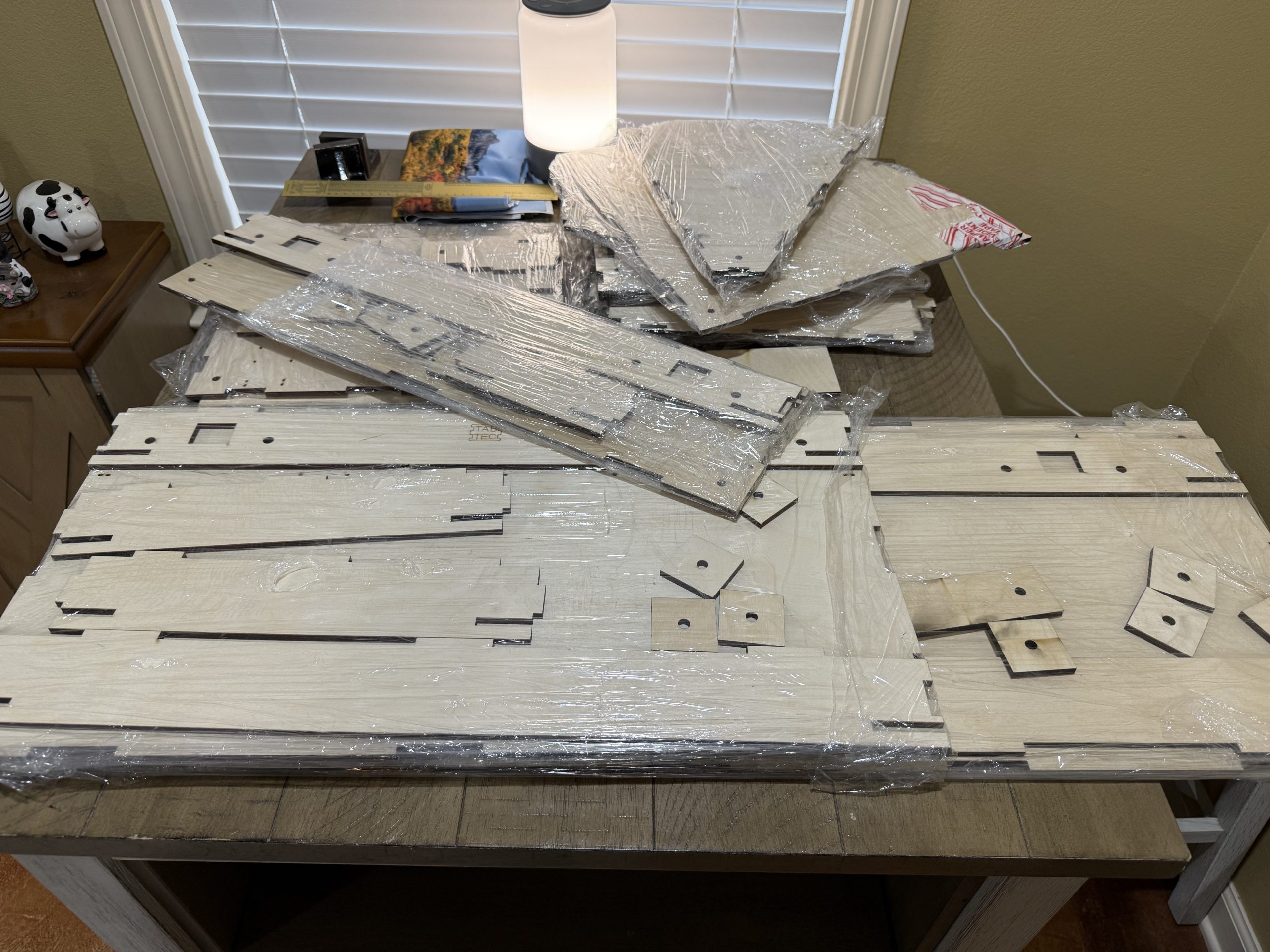
I started by creating a track plan that balances real operations and space efficiency using T-Trak Modules from CMR Products. The idea was a long and narrow shelf mounted high enough for immersive viewing and operations, built as a single section for easy removal, transport, and expansion. I kept with the T-Trak modular standards to allow the whole section to function independently or as part of a larger layout a couple of times a year.
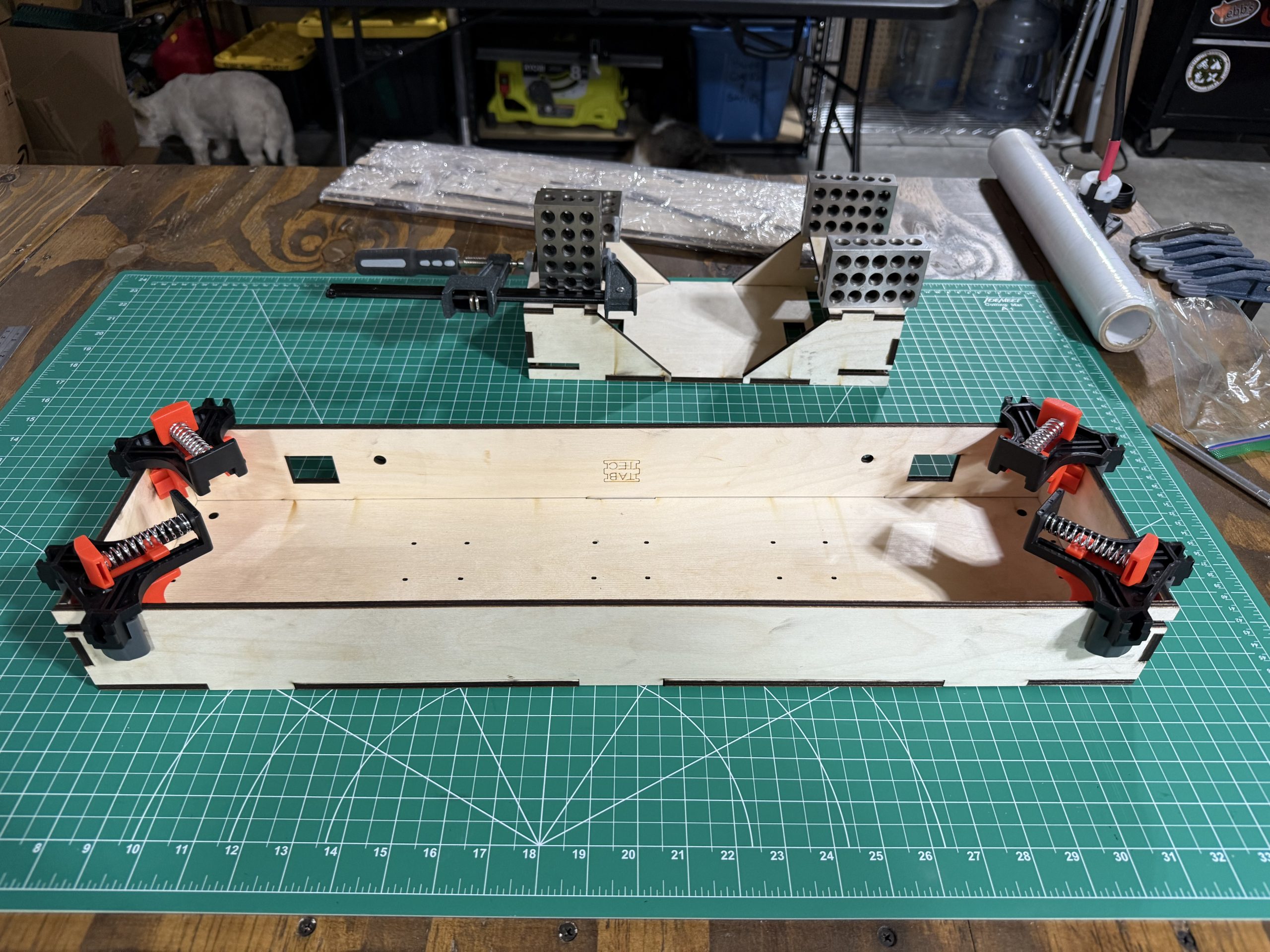
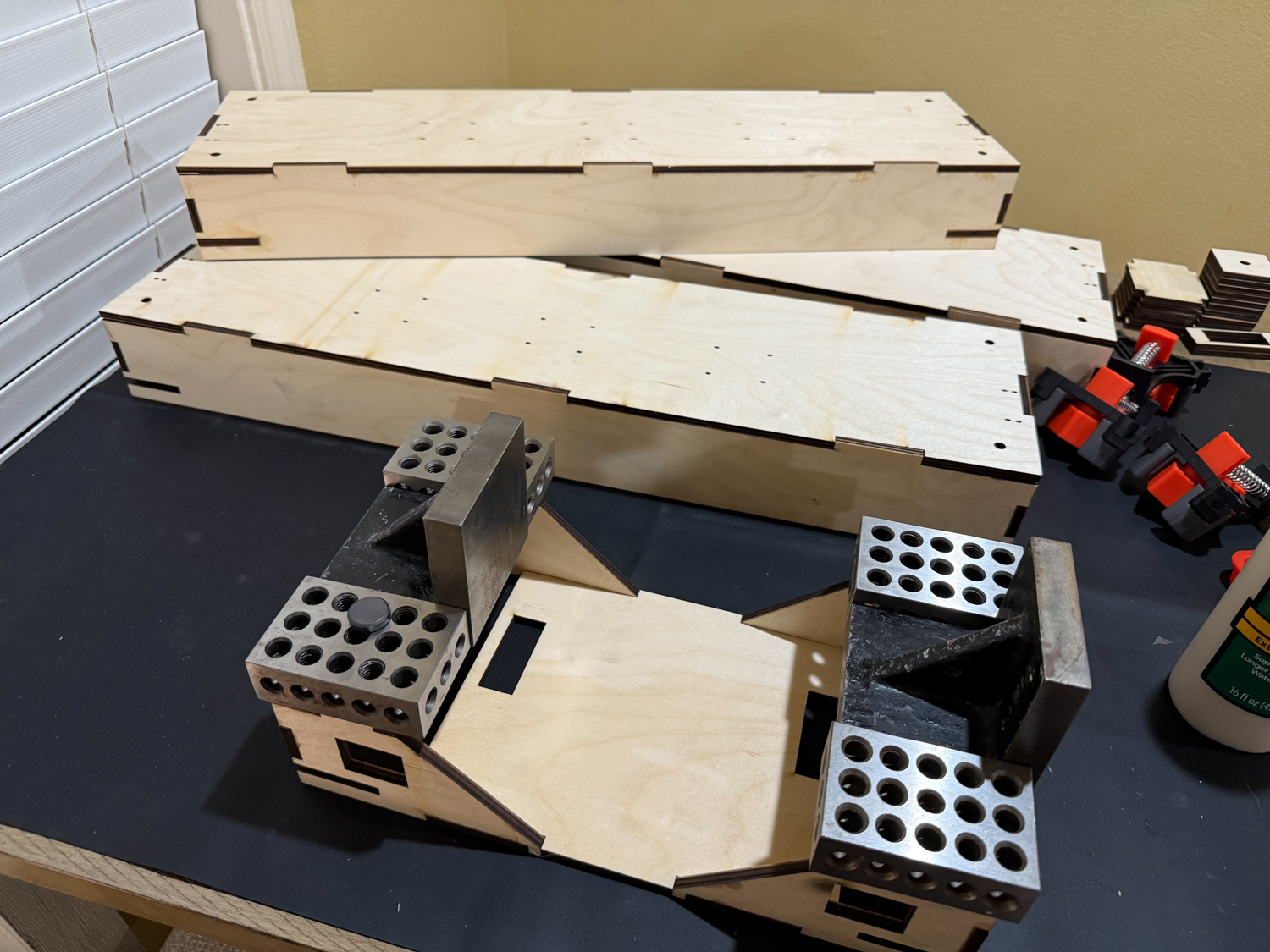
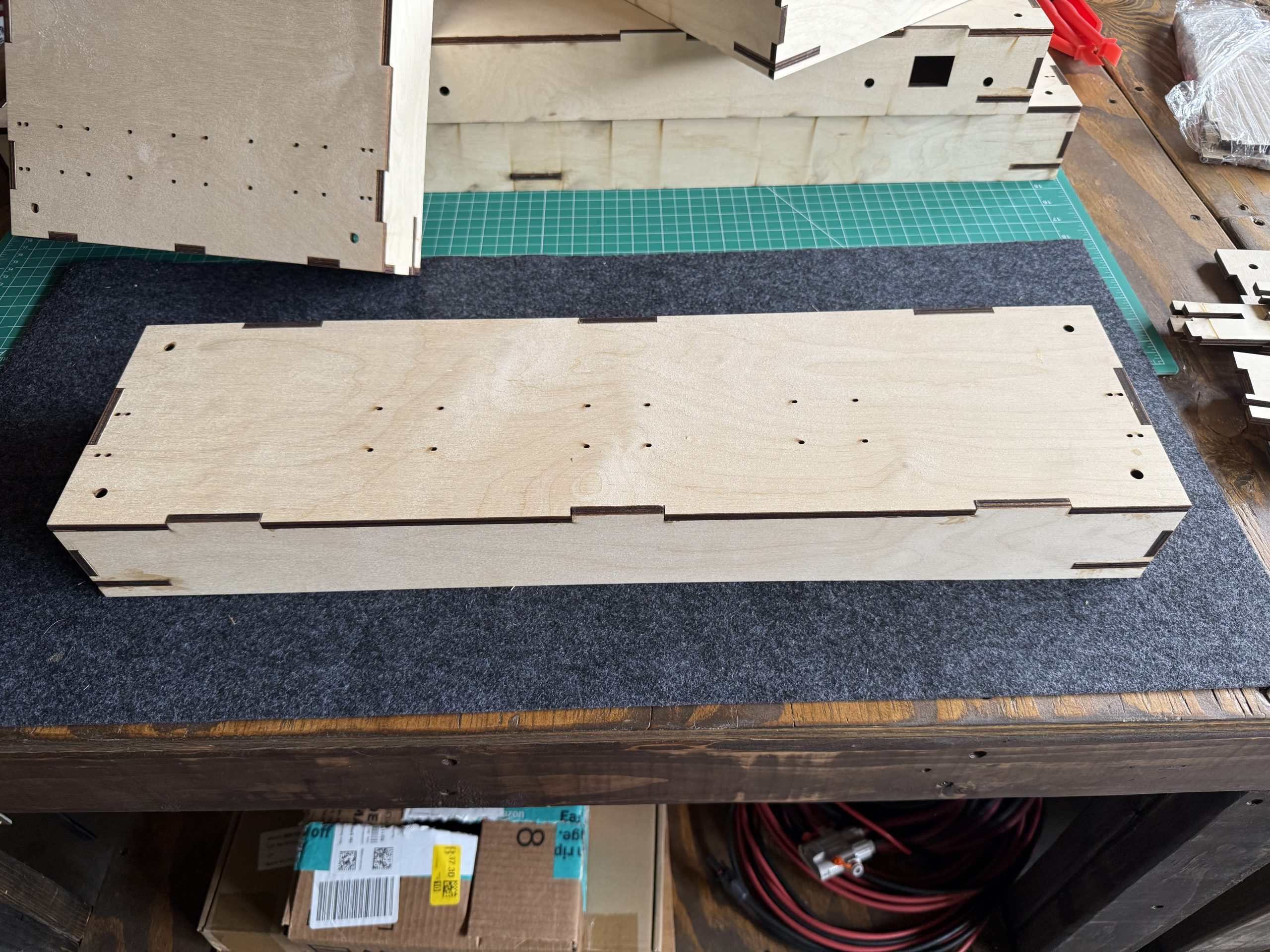
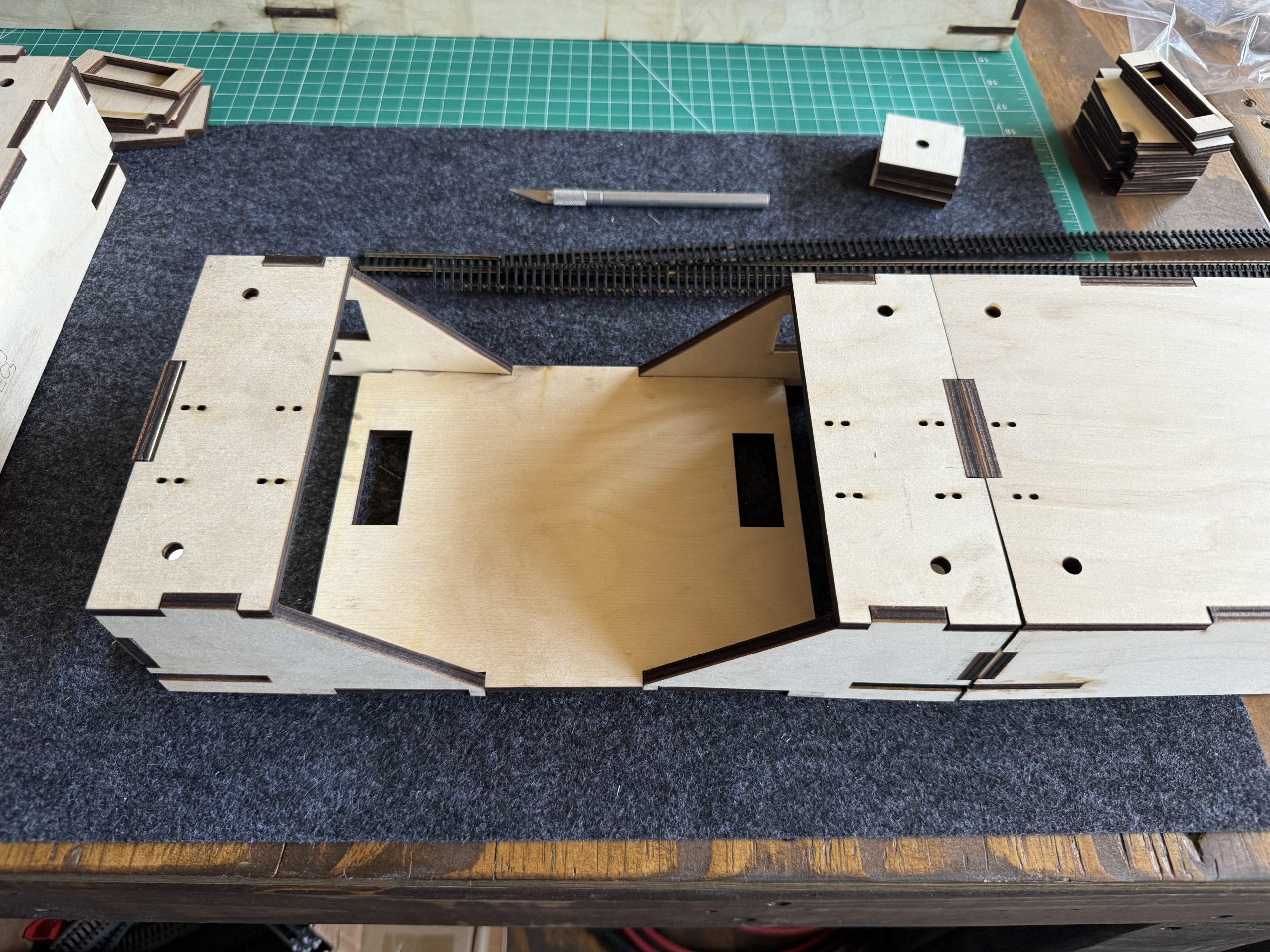
Here is an example of how easy a T-Trak module kit is to assemble. You just needs glue!
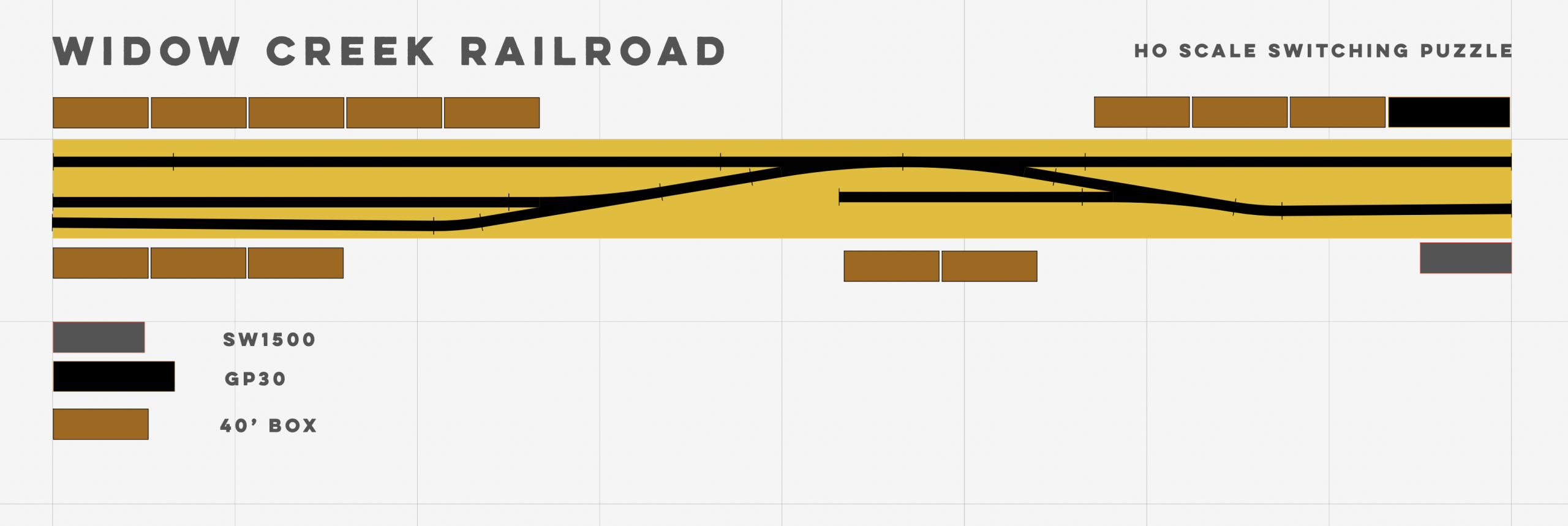
The switching aspect of the track plan focuses on serving multiple industries and small yards, offering operational interest through car spotting, all while mounted on the wall. Before I walk you through how I built and mounted this shelf layout, please let me briefly touch on the “Next Steps.”
Next Steps
The track will be laid to ensure smooth operations, especially through turnouts and tight-radius curves common on shelf-switching layouts. The electrical wiring will be DCC for operations with manual switch throws at each turnout. All wiring will be routed under/in the modules with feeders and bus lines accessible by removing the bottom panels. The bottom panels will be mounted using the 1/4-20 inserts in each corner typically used for the T-Trak leveling screws.

Locomotives will be small 4-axel GPs and Switchers, with “most” all rolling stock 40 ft or smaller. Scenery will be mostly custom buildings and structures favoring a small mountain town vibe with light industries to match the switching focus. Scenery details, people, signage, and weathering will help to add a bit of realism.
I am unsure if I will be using Car Cards or Switch Lists to simulate real-world railroad operations, but that is still a ways away.
How did we get this far?
This is a step-by-step walkthrough of the building process. Click the first image to get started.