
Building Widow Creek Around IRROD
Back in January, I wrote about The Switching Puzzle, an 8-foot-long floating-shelf railroad I was building as a place to experiment before tackling the larger N-scale Widow Creek layout. The idea was to work through track planning, scenery, wiring, controls, and electronics on something manageable before committing those ideas to a room-sized railroad.
Something interesting happened along the way. The experiment helped me narrow my focus onto the part of model railroading I’ve really wanted to develop for years. My background is in software and electrical engineering, and while I enjoy the scenery, structures, rolling stock, and everything else that makes this hobby what it is, I’m always drawn back to what I can make the railroad do. Detection, sound, lighting, identification, automation, communications, and interaction between the railroad and its operator are where I tend to disappear down the rabbit hole.
Rather than the switching puzzle being a stepping stone to Widow Creek, the switching puzzle is becoming Widow Creek.
Building Widow Creek Around IRROD
Back in January, I wrote about The Switching Puzzle, an 8-foot-long floating-shelf railroad I was building as a place to experiment before tackling the larger N-scale Widow Creek layout. The idea was to work through track planning, scenery, wiring, controls, and electronics on something manageable before committing those ideas to a room-sized railroad.
Something interesting happened along the way. The experiment helped me narrow my focus onto the part of model railroading I’ve really wanted to develop for years. My background is in software and electrical engineering, and while I enjoy the scenery, structures, rolling stock, and everything else that makes this hobby what it is, I’m always drawn back to what I can make the railroad do. Detection, sound, lighting, identification, automation, communications, and interaction between the railroad and its operator are where I tend to disappear down the rabbit hole.
Rather than the switching puzzle being a stepping stone to Widow Creek, the switching puzzle is becoming Widow Creek.
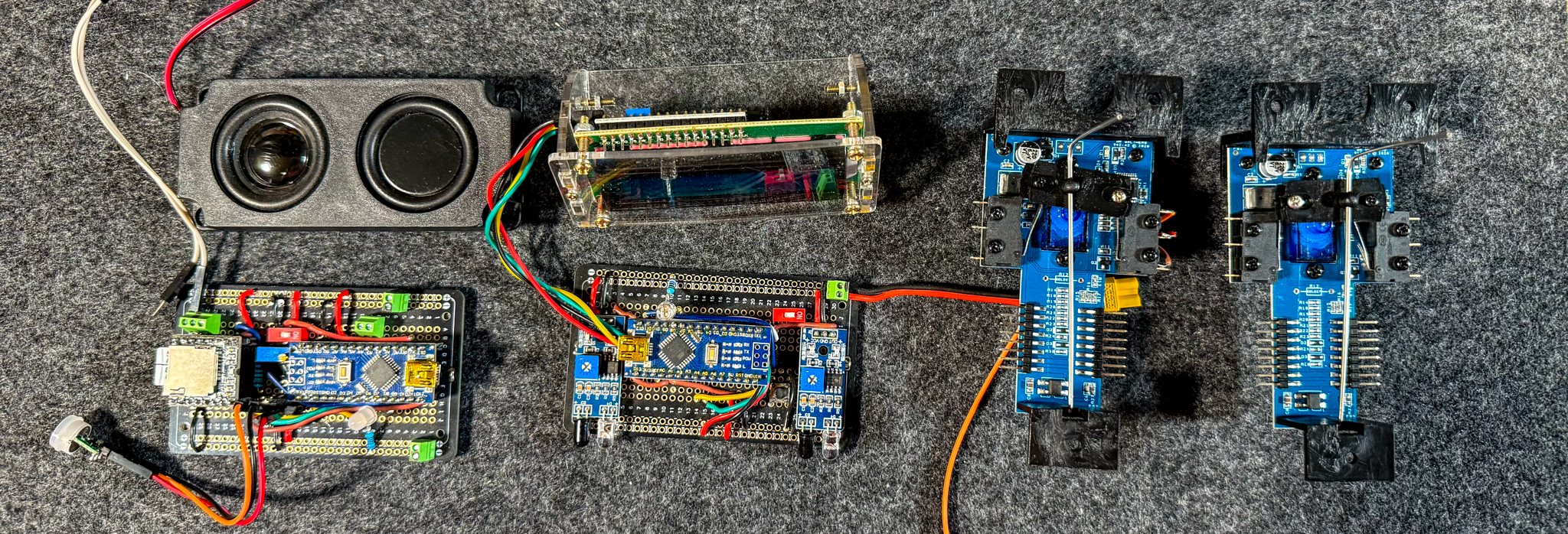
Individual Arduino microcontrollers, each acting as a small
independent computer controlling a specific IRROD module
When the Railroad Changes the Puzzle
A beginner could receive a relatively straightforward switching assignment with more assistance from the dispatcher, while an experienced operator could be given a more challenging assignment with less help. But IRROD can also change the problem while you’re solving it.
Imagine being halfway through a switching assignment when a hotbox is detected on one of your cars. That car now needs to come out of service, but your original assignment hasn’t gone away.
The track plan allows another locomotive and additional cars to become part of the session. A second operator could retrieve the defective car while the first operator continues working the original assignment. A replacement may need to be brought in, cars repositioned, and suddenly the switching solution you had five minutes ago no longer works.
That’s where Widow Creek goes beyond a traditional switching puzzle. The dispatcher, operators, locomotives, rolling stock, and independent electronic modules can all become participants in the same changing operating problem.
There is considerably more going on behind IRROD than I’m going to publish just yet, but I’ll be sharing many of the individual Arduino modules as I develop them.
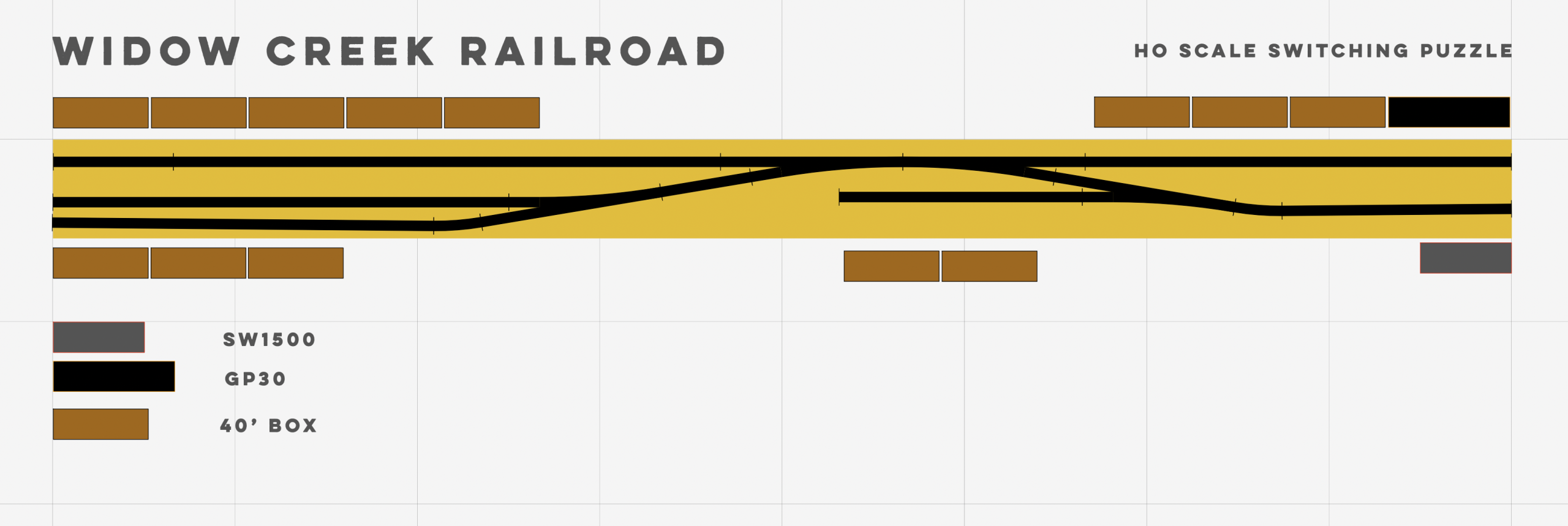
HO scale track plan for the 8 foot Widow Creek switching
puzzle, designed around Inglenook style operations and IRROD.
Still the Rio Grande
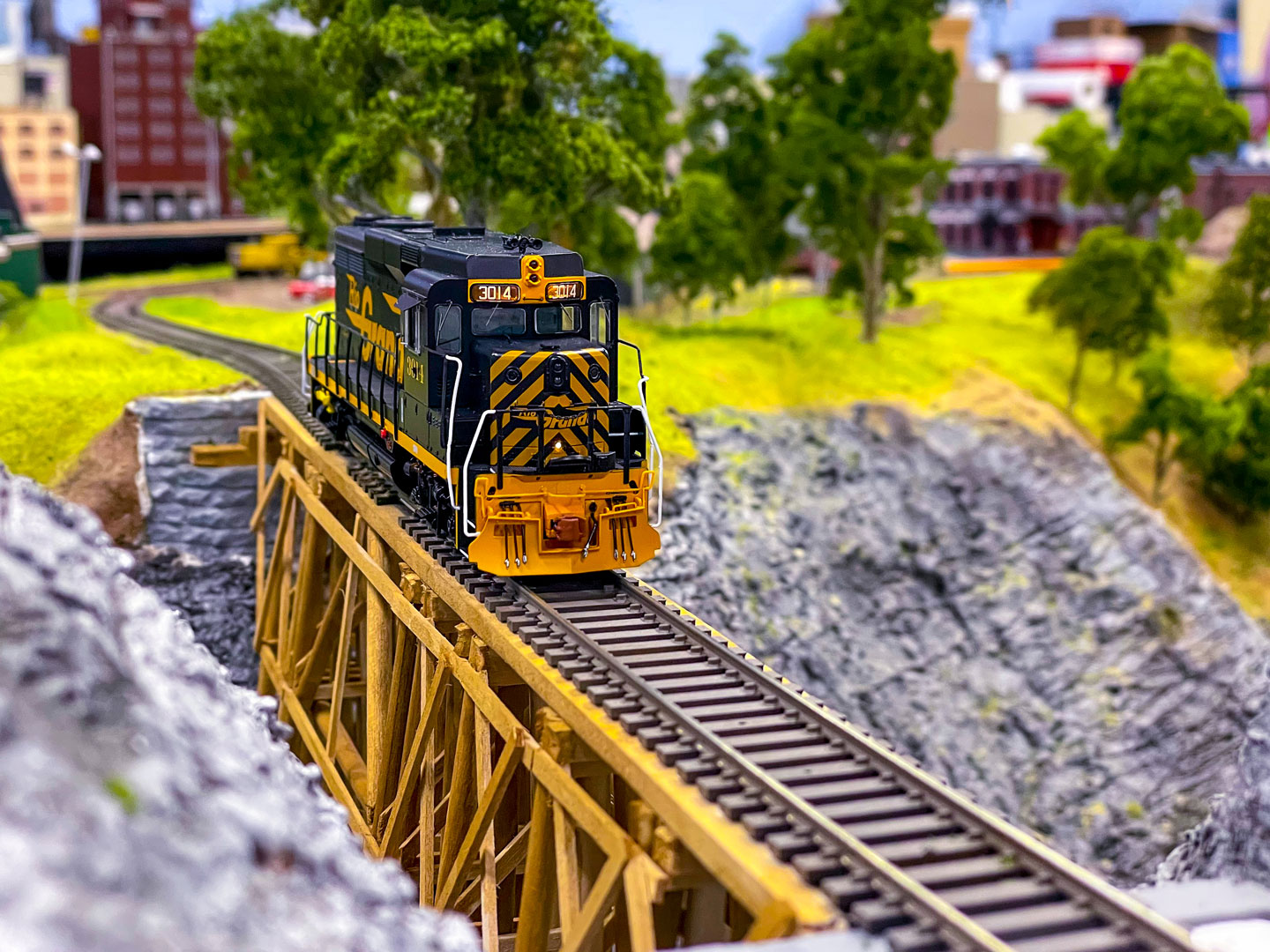
Despite all the technology, Widow Creek still needs to look and feel like a railroad first. The Denver & Rio Grande Western isn’t going anywhere.
Marshall Pass and Sargents remain the inspiration, loosely set in the late 1950s and early 1960s. The HO shelf will become a small, high-Alpine railroad scene with a mountain backdrop, trees, structures, detailed, weathered rolling stock, and the D&RGW character that originally drew me to Marshall Pass.
A separate base will house the electronics, LCD displays, controls, and dispatcher station, allowing the technology to become part of the overall presentation without taking over the railroad itself.
What started as a place to experiment before building the “real” Widow Creek Railroad has helped me narrow down what I actually want Widow Creek to be.
I still want to switch cars, build scenery, and run Rio Grande locomotives beneath the Colorado mountains. But the real focus is finally getting IRROD out of my head and off the workbench and giving it a railroad where all of those independent ideas can come together.
The switching puzzle was supposed to help me build Widow Creek. Instead, it showed me what Widow Creek needed to be.

rugged mountain railroad character of Colorado’s Marshall Pass.
Rio Grande Inspiration, Widow Creek Interpretation
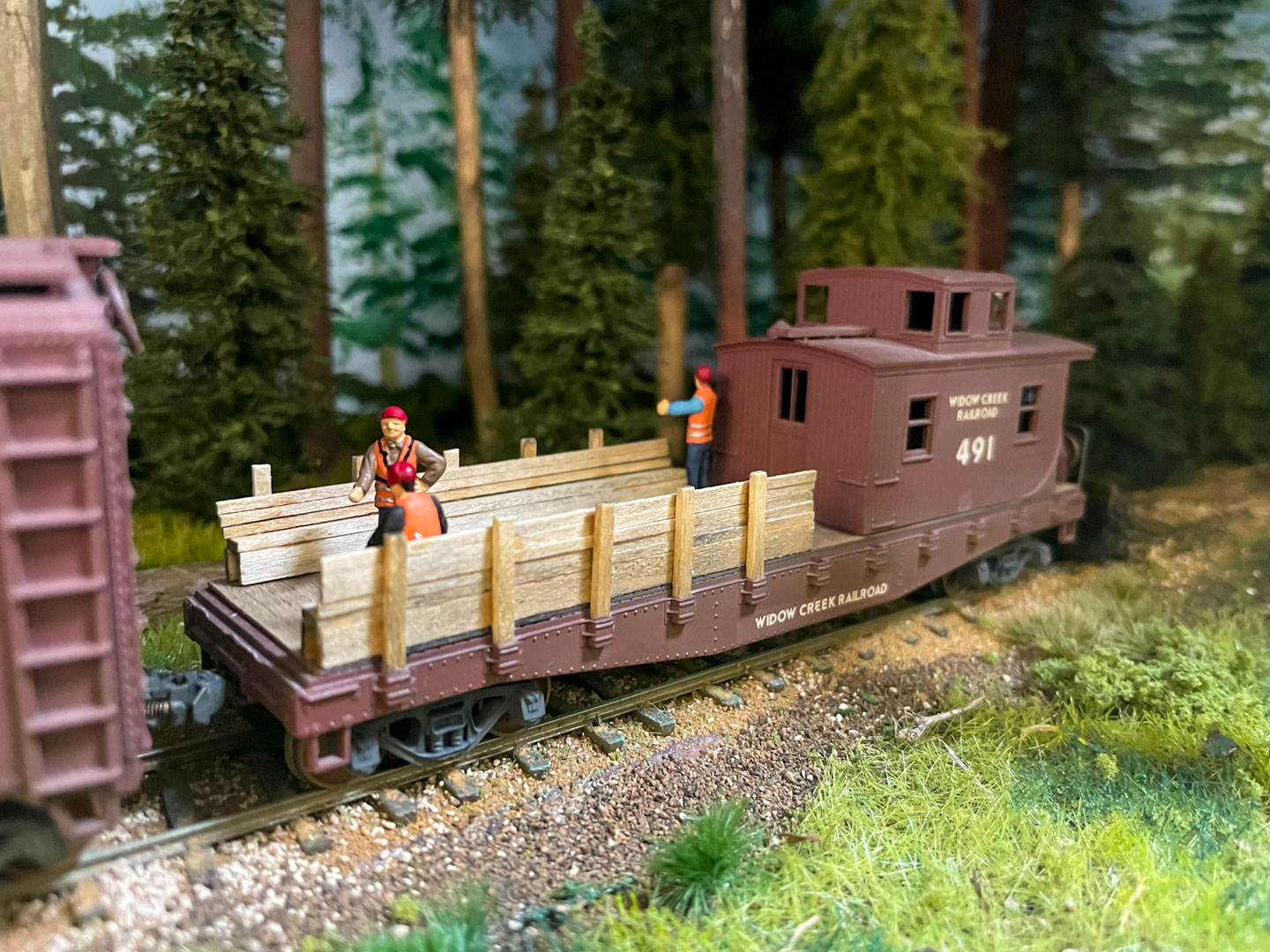
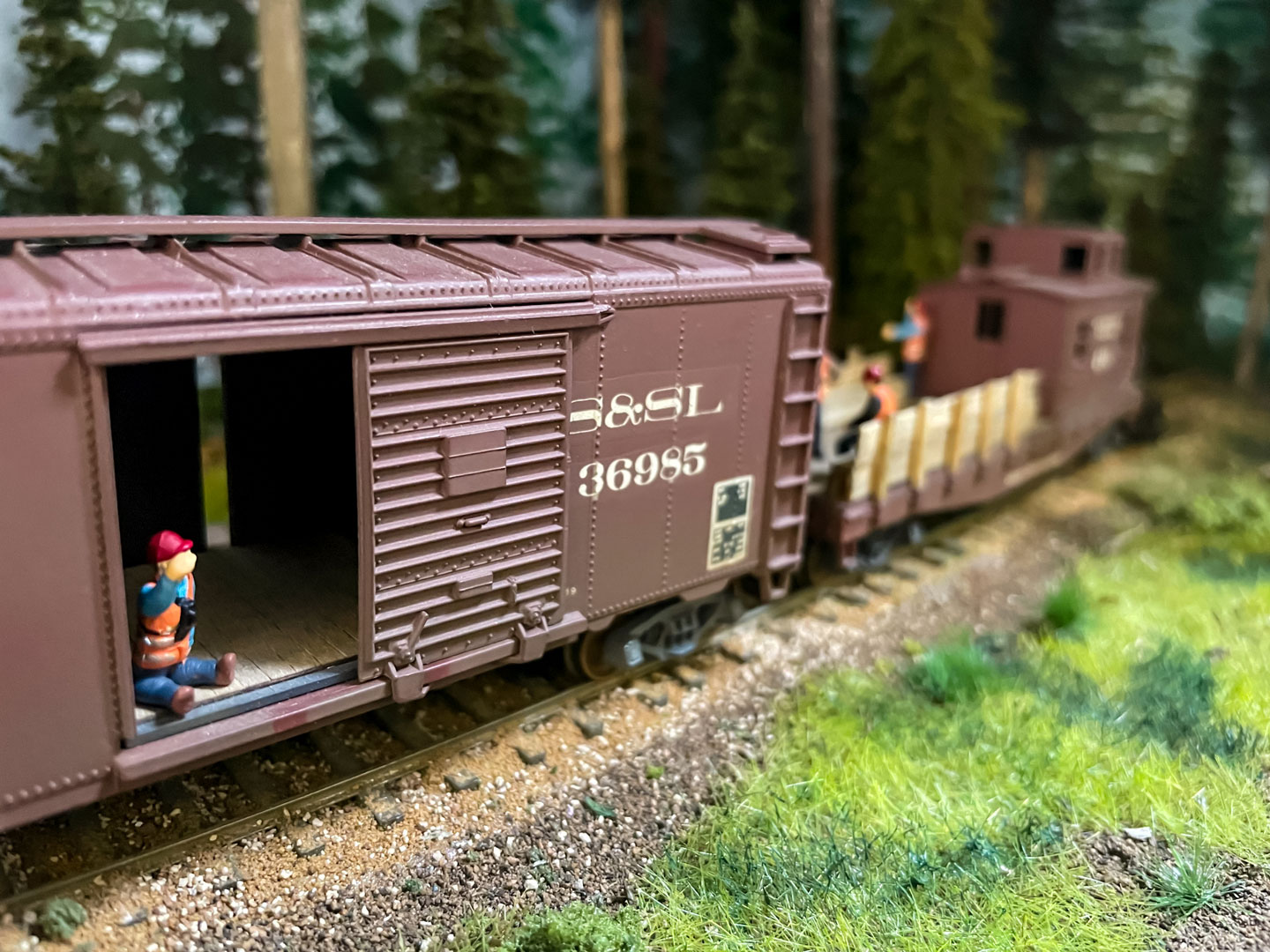
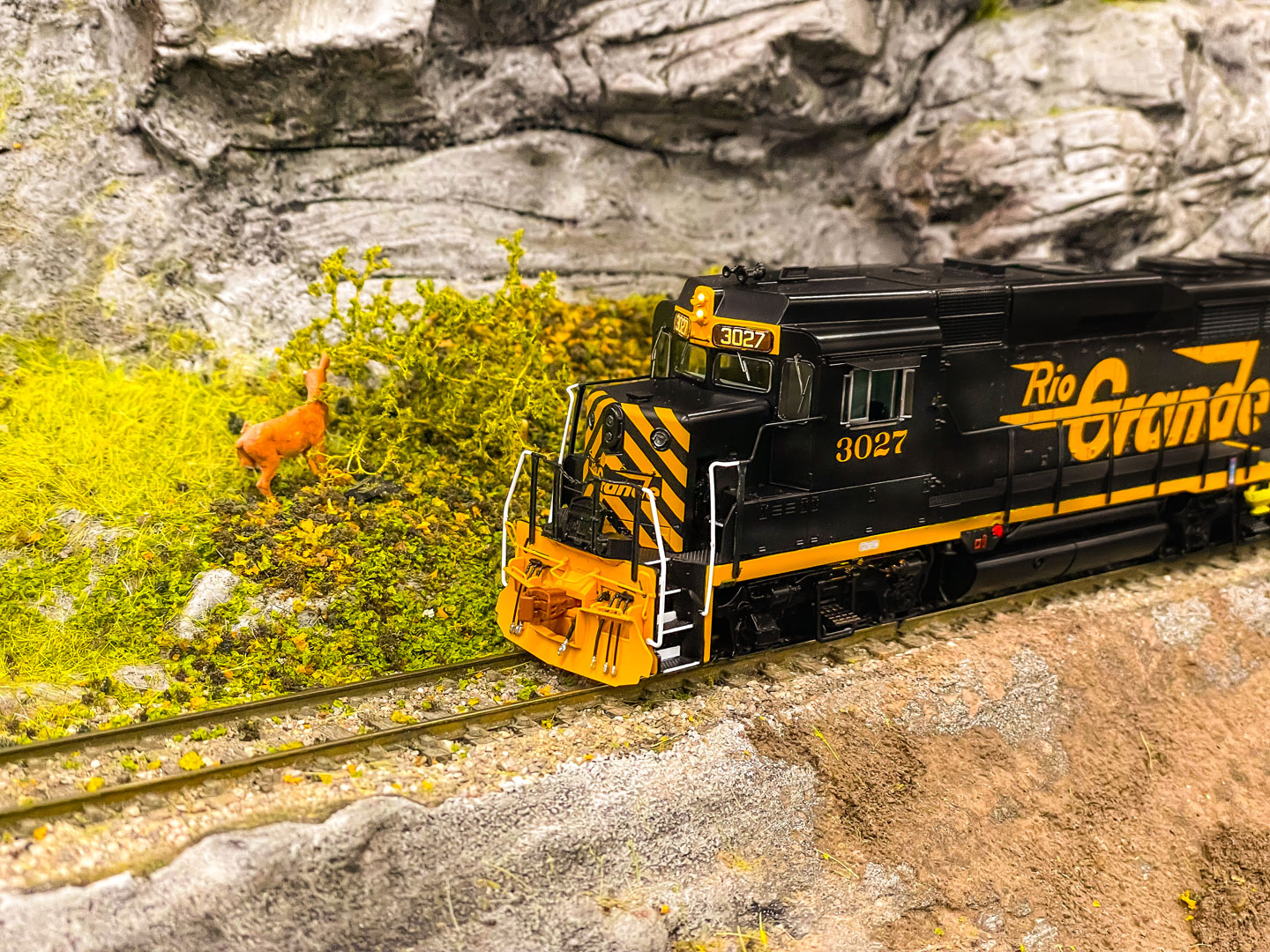
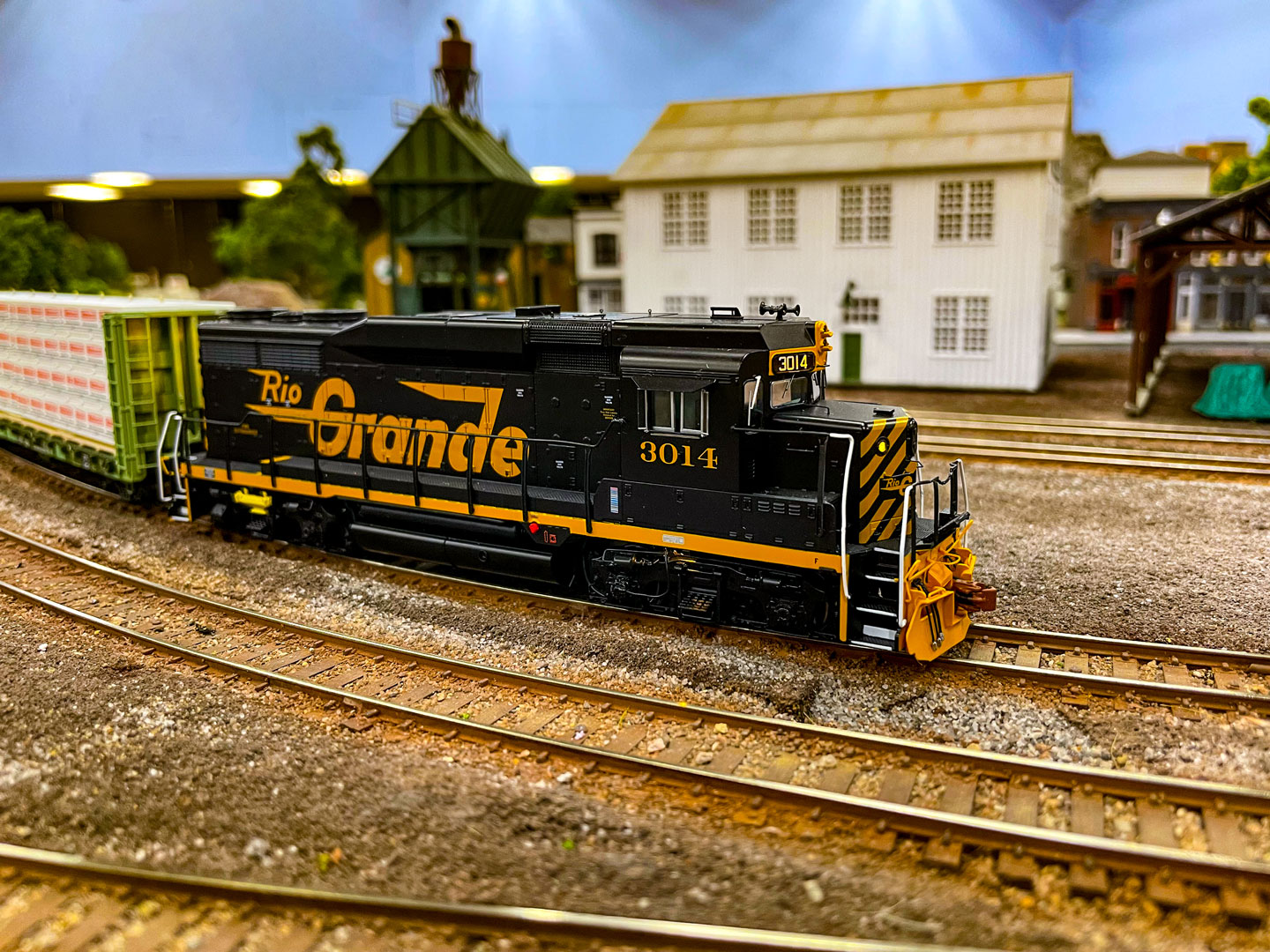
Scenes from the Denver & Rio Grande Western alongside Widow Creek, showing the locomotives, landscapes, and Colorado railroad character inspiring the model railroad.